



News, Treatment, Weight Loss Injection
Ozempic Face: When success on the scale looks tired
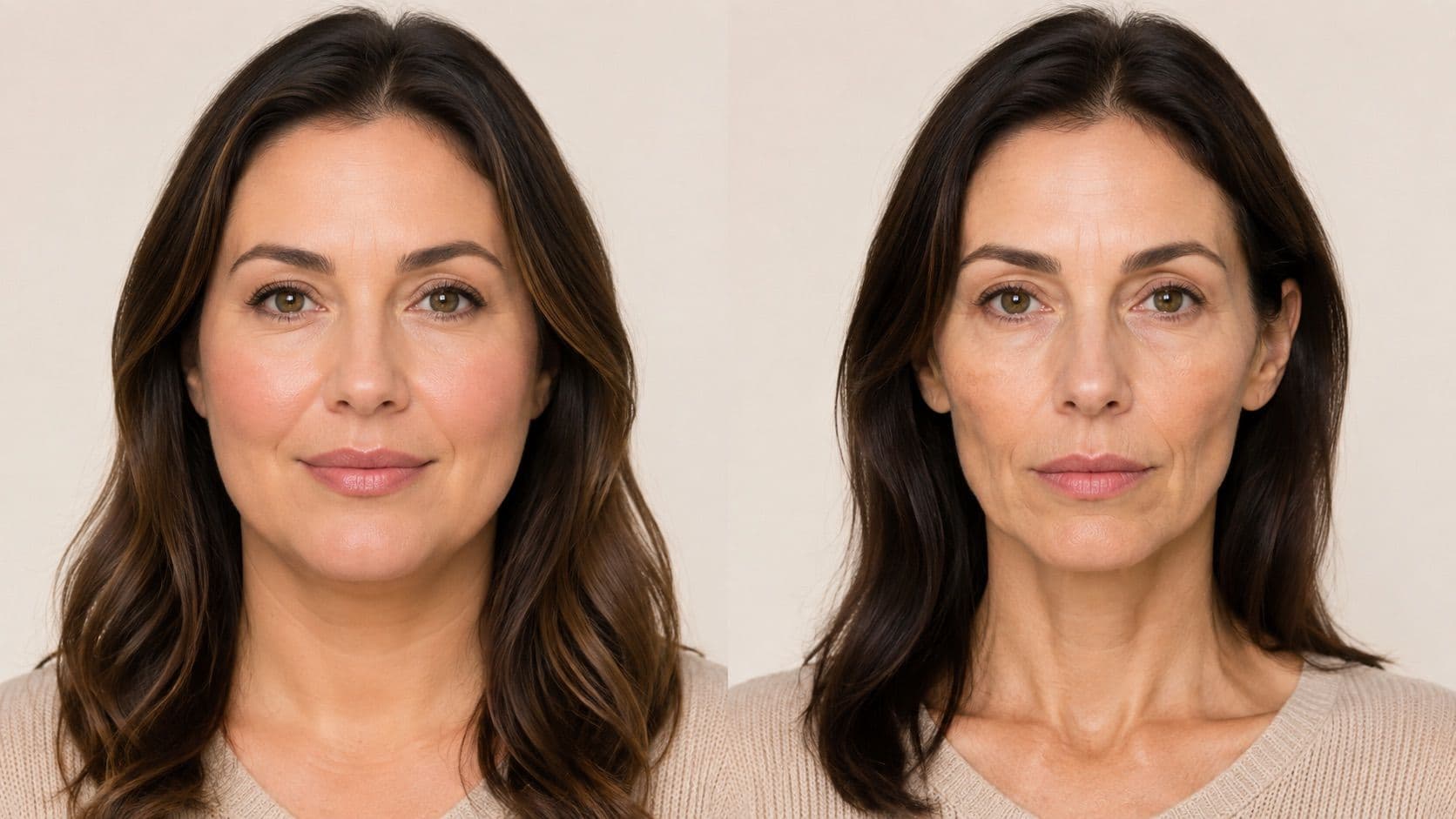
The scale finally shows what seemed unattainable for years. And the mirror? It shows someone who looks tired. Aged, somehow. Sunken cheeks, deeper wrinkles, a look like after a week without sleep. Since weight loss injections like Ozempic have conquered the market, such observations are accumulating.
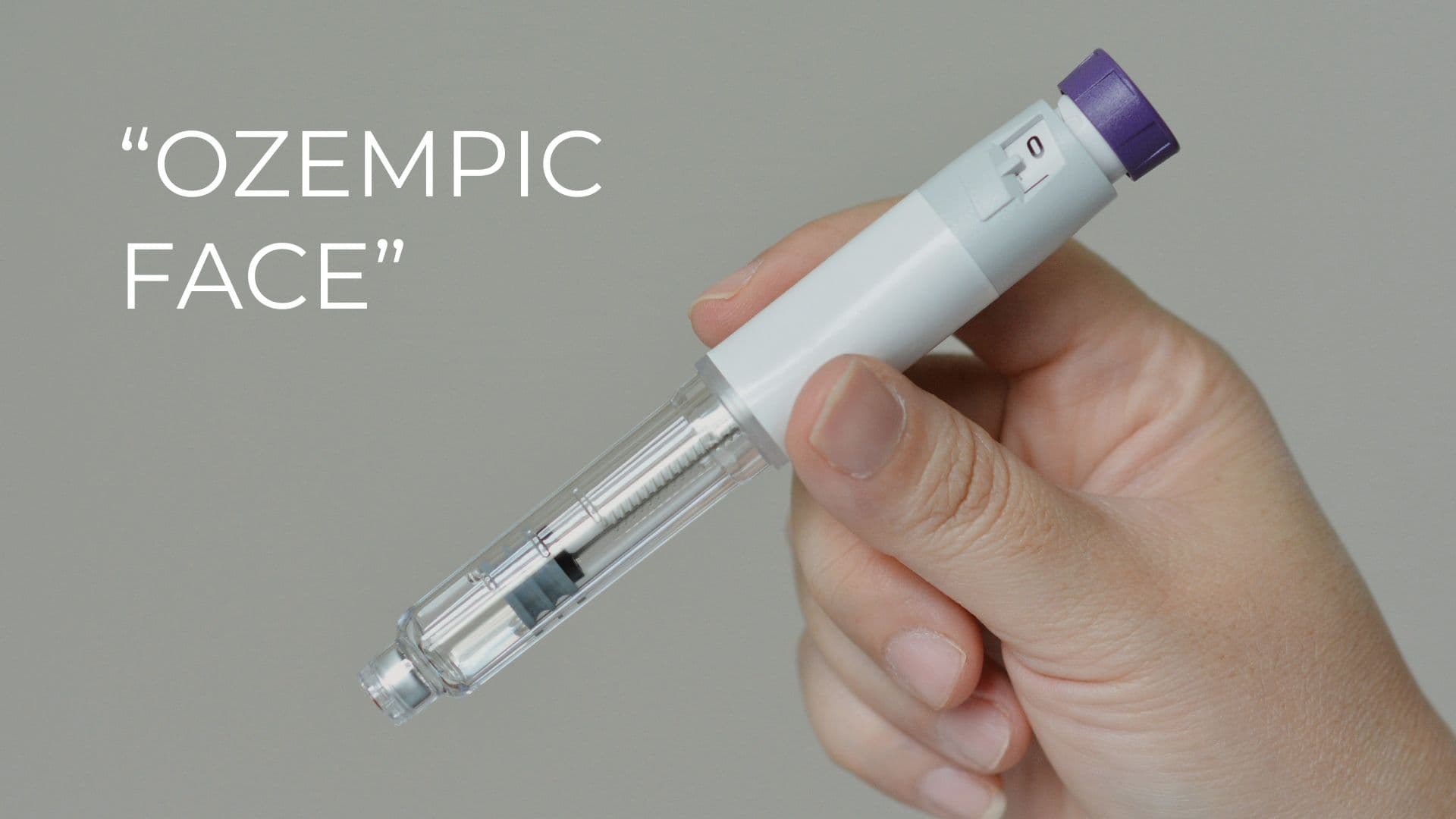
The scale finally shows what seemed unattainable for years. And the mirror? It shows someone who looks tired. Aged, somehow. Sunken cheeks, deeper wrinkles, a look like after a week without sleep. Since weight loss injections like Ozempic have conquered the market, such observations are accumulating. In 2022, New York dermatologist Paul Jarrod Frank coined a term for it that has since haunted talk shows and TikTok. Sharon Osbourne openly spoke about her sunken features after the weight loss injection, half of Hollywood wonders who else is affected. And thousands who have simply lost weight successfully ask themselves: What happened?
What is the Ozempic Face?
The term sounds like a side effect, but it isn't. Semaglutide, the active ingredient behind Ozempic and Wegovy, does not specifically target skin or fatty tissue. Ozempic is, strictly speaking, a diabetes medication that has simply been repurposed for weight loss. What dermatologists describe with the buzzword (in German, «Ozempic Gesicht» also circulates) is simply the result of rapid weight loss: The face loses volume, and the skin cannot keep up. This is not a medical diagnosis. Rather, it's a catchy name for a phenomenon that any crash diet can trigger. Nevertheless, the professional community is concerned with it. A systematic review from plastic surgery in 2025 examined the available literature on the phenomenon and simultaneously assessed how the public perceives it (Daneshgaran et al., 2025). Their findings align with those of dermatology: a pronounced loss of substance under semaglutide, which prematurely ages the features. The weight loss injection has only brought new prominence to the phenomenon because so many people lose so much weight so quickly with it.
The Cause: How Does Ozempic Face Develop?
Fat pads under the skin act like a scaffold. They support cheeks and temples, keeping everything in place. With rapid weight loss, the body breaks down precisely this subcutaneous fat, everywhere, even where one would like to keep it. GLP-1 receptor agonists curb appetite so effectively that 15 or 20 kilograms of fatty tissue can disappear in just a few months. The extent of this effect is shown by the STEP-1 study, the approval study behind semaglutide: Over 68 weeks, participants lost an average of 14.9 percent of their body weight, with well over half achieving 15 percent or more (Wilding et al., 2021). For an initial weight of 100 kilograms, that's a good 15 kilograms that the body breaks down everywhere, including where contour is needed. The subcutaneous fat melts, and the overstretched skin suddenly stands without support.
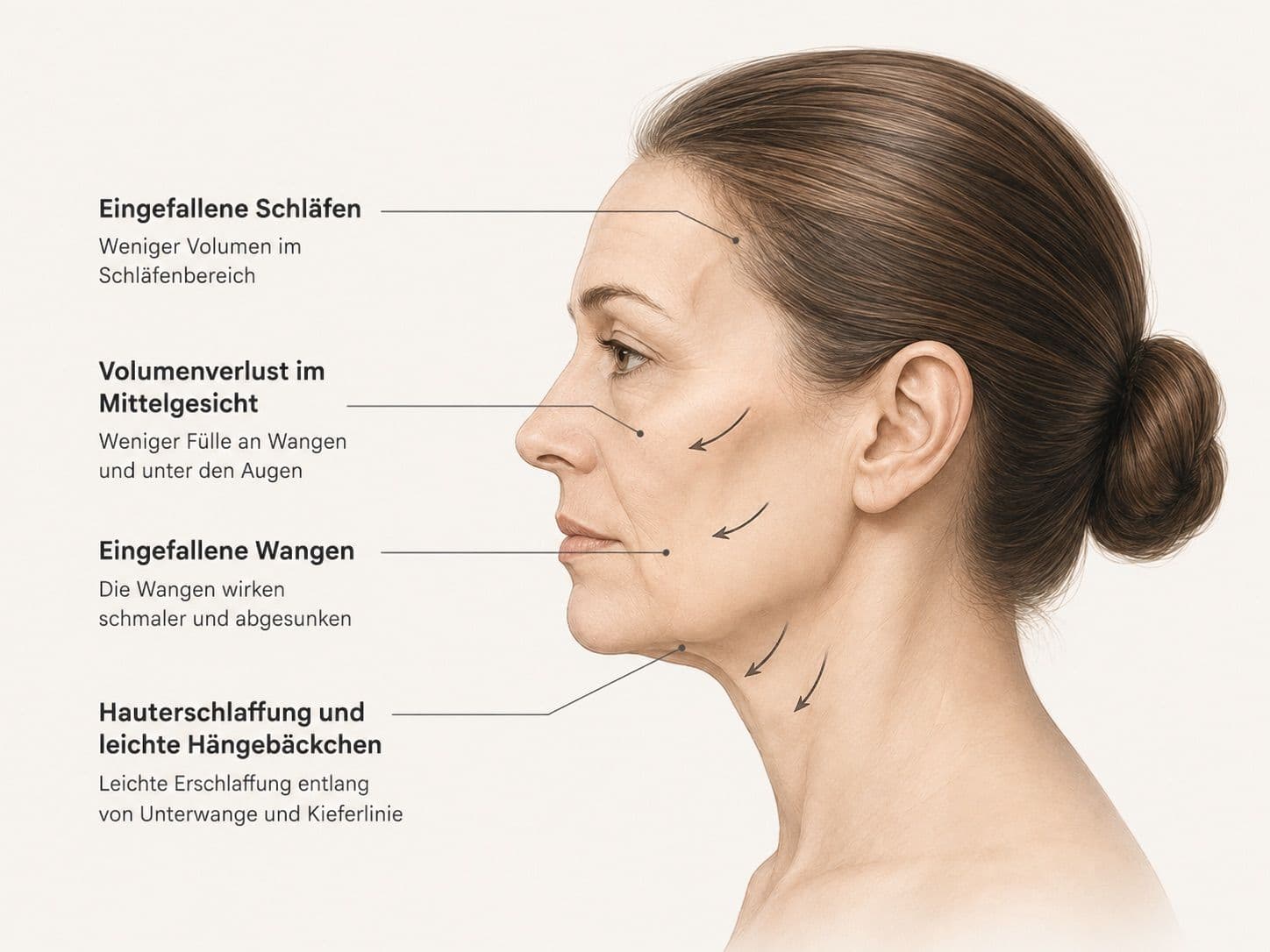
Compounding this is age: From about 25, the skin loses around one percent of its collagen annually. Elastin, the second supporting fiber, also becomes scarcer. The consequence: The elasticity is no longer sufficient to adapt to the new contour. This becomes visible throughout the face: in sunken temples, sagging areas along the jawline, a deeper nasolabial fold, and an overall tired, aged expression.
Who is particularly affected?
Not everyone who loses weight experiences this problem. Four factors are decisive. Firstly, age, because collagen and elasticity decrease with years. Secondly, genetics, as skin quality is partly inherited. Thirdly, history: those who have been significantly overweight for a long time have more stretched tissue. And fourthly, the pace of weight loss. A weight loss of half a kilogram per week allows the tissue time to adapt. Three kilograms per week does not.
Does it go away?
Can Ozempic Face be reversed? Partially. Young, elastic skin often recovers surprisingly well once weight remains stable. However, the skin still needs six to twelve months for this. For more mature skin, it's different: what was lost in elasticity over decades does not return on its own. Honestly, the volume loss usually persists then. Realistic expectations save disappointments.
What Really Helps? An Honest Overview
What can be done about Ozempic Face depends on the extent of weight loss. Creams with retinol or peptides improve the skin's appearance on the surface, and that's where their effect ends. A sunken face after weight loss cannot be <u>creamed away</u>, because the problem lies deeper: missing fatty tissue. Against true volume loss in the face, only procedures that restore volume or tighten the skin help.
Preventing Ozempic Face: Five Things That Actually Work
Ideally, the problem doesn't arise in the first place. Those using Ozempic or another weight loss injection can take preventative measures: lose weight slowly (half to one kilogram per week, then subcutaneous fat diminishes more gradually), eat enough protein (1.2 to 1.6 grams of protein per kilogram of body weight, as a building block for collagen), strength training against muscle loss, consistent sun protection, because UV light further breaks down the skin's supporting fibers. And: seek medical guidance early, not just when the mirror raises questions.
What Treatments Aesthetic Medicine Offers
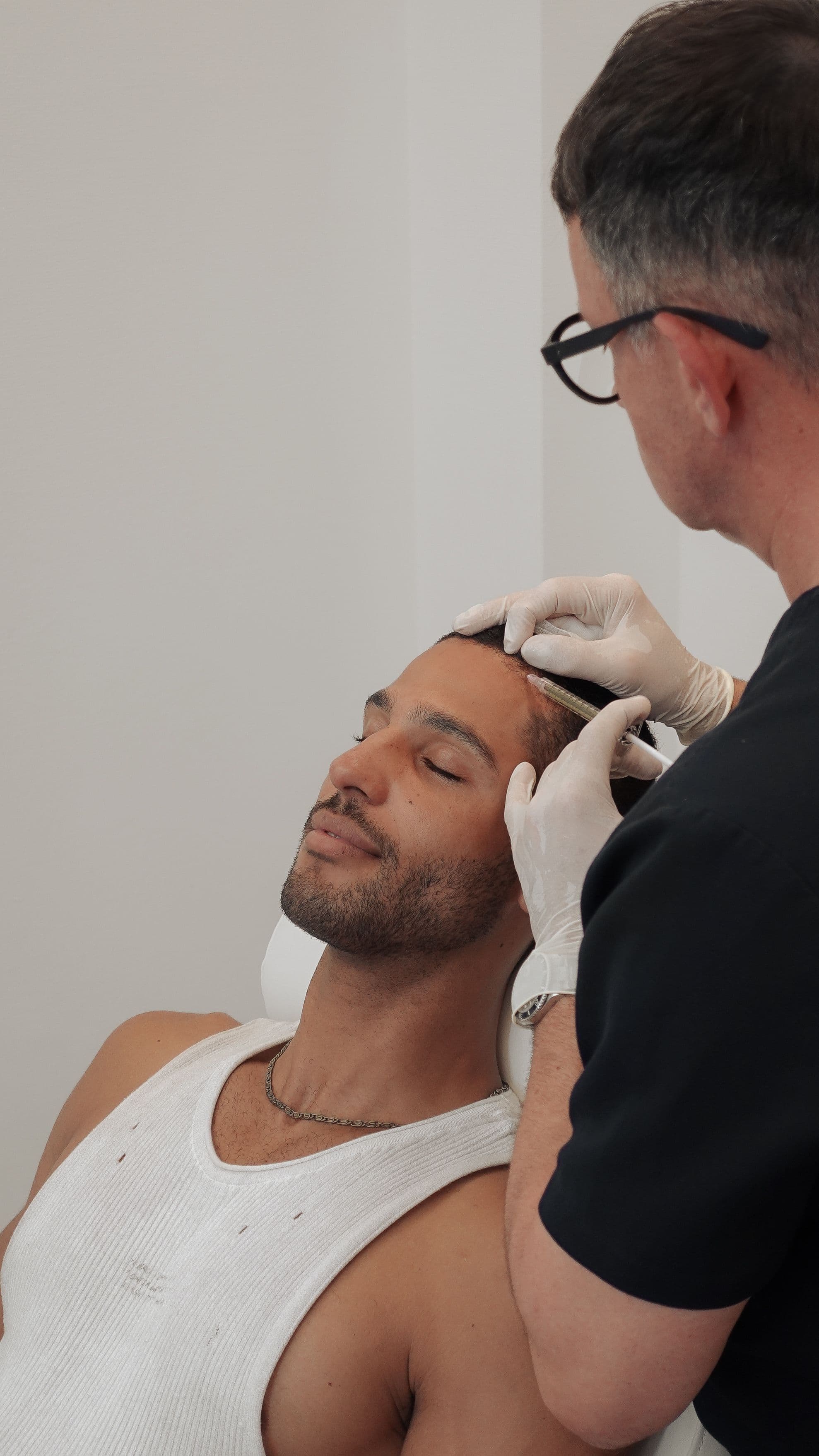
Hyaluronic acid is the classic: As a filler, it replaces lost volume in the cheeks, temples, or jawline, with immediately visible results. Biostimulators like Sculptra stimulate the skin to build its own collagen over months. Autologous fat can be harvested from the abdomen or hips and transplanted to where it is needed. Radiofrequency, microneedling, and focused ultrasound offer non-surgical facial tightening. For pronounced skin laxity, a facelift remains the most thorough option, and if the eye area is particularly affected, blepharoplasty can specifically help. Only one thing doesn't work: Botox. It relaxes muscles but does not replace lost padding.
When Should You See a Specialist?
First, stabilize your weight. Anyone still in the midst of weight loss will otherwise fill areas that will continue to change. After that, it's worth consulting a specialist with FMH qualification, who will weigh hyaluronic acid, biostimulators, autologous fat, or tightening on a case-by-case basis. Reputable advice is recognizable by the fact that it also advises against certain treatments.
Frequently Asked Questions
Does Ozempic Face appear in everyone?
No. Even with Ozempic, young people with good skin elasticity and moderate weight loss often notice nothing at all. The faster the weight loss and the more mature the skin, the more likely the effect.
Does Botox help against it?
No. Botox smooths expression lines by relaxing muscles. It cannot fill sunken areas; for that, fillers, Sculptra, or autologous fat are needed.
What does a treatment cost in Switzerland?
Hyaluronic acid treatments start at around 400 CHF, depending on the area and quantity. Radiofrequency and microneedling are in similar price ranges per session. A reliable price quote is only available after a personal assessment.
When does the effect appear?
Usually after the first major stages with Ozempic or Wegovy, often after ten kilograms of weight loss in a short time. Many notice the change first in photos, not in the mirror.
Our Concluding Summary
The phenomenon is no reason to discontinue a medically sound therapy. But it is a good reason to plan weight loss like a project: with a realistic pace, enough protein, and professional guidance. Those bothered by facial changes will find effective answers in aesthetic medicine. At the Metropolitan Clinic in Zurich, Dr. med. Volker Rippmann and Christian Roessing, M.D. assess such cases daily, calmly and with an honest evaluation of what is necessary and what is not.
Sources
- Daneshgaran G, Shauly O, Gould DJ. «Ozempic Face» in Plastic Surgery: A Systematic Review of the Literature on GLP-1 Receptor Agonist Mediated Weight Loss and Analysis of Public Perceptions. Aesthetic Surgery Journal Open Forum. 2025;7:ojaf056. doi:10.1093/asjof/ojaf056. Full text (Open Access): https://doi.org/10.1093/asjof/ojaf056 | PubMed: https://pubmed.ncbi.nlm.nih.gov/40626110/
- Wilding JPH, Batterham RL, Calanna S, et al.; STEP 1 Study Group. Once-Weekly Semaglutide in Adults with Overweight or Obesity. New England Journal of Medicine. 2021;384(11):989–1002. doi:10.1056/NEJMoa2032183. Full text: https://doi.org/10.1056/NEJMoa2032183 | PubMed: https://pubmed.ncbi.nlm.nih.gov/33567185/